Digital Buffet Labels: The Future of Hospitality
The Evolution of Food Service
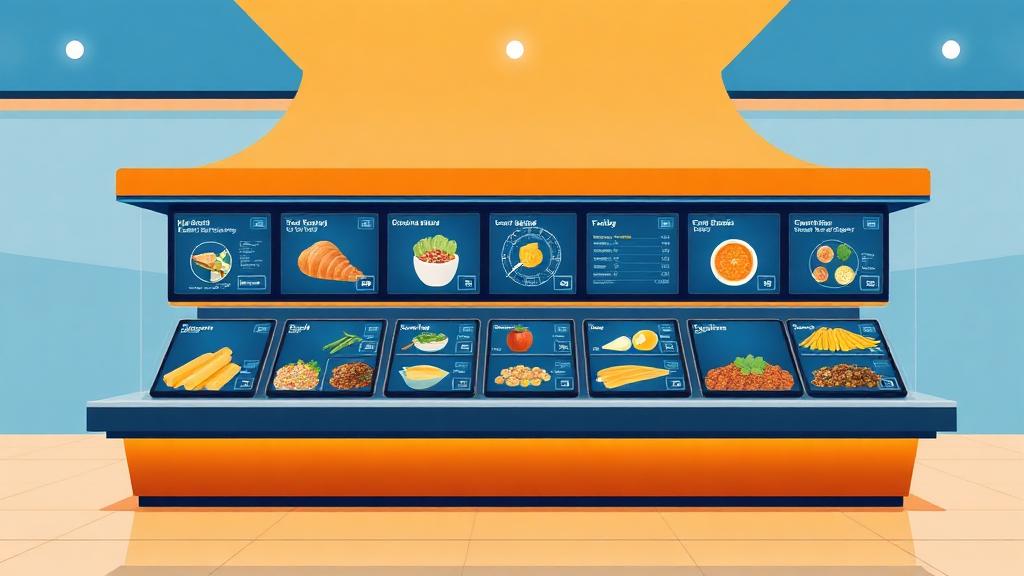
The hospitality industry is experiencing a digital revolution, and buffet service is no exception. Traditional paper labels are giving way to dynamic digital displays that offer unprecedented flexibility and functionality.
Real-Time Updates Made Simple
For more information, see our luxury resort buffet display solution.
The Problem with Paper Buffet Labeling
Walk into almost any hotel breakfast buffet and you will find the same scene: handwritten cards in plastic tent holders, or if the property is more advanced, laminated sheets printed hours earlier. These labels cannot update when a dish runs out, when an ingredient changes, or when a guest asks about allergens. Staff either do not know or have to run back to the kitchen to check. This friction point is the most common complaint in hotel breakfast satisfaction surveys.
E-Ink Displays: Paper Quality, Digital Flexibility
The technology enabling the digital buffet label revolution is electronic paper (e-ink). Unlike LCD or LED screens, e-ink displays reflect ambient light the way paper does. They are easily readable in direct sunlight, produce no glare, and can be read from low angles, exactly how guests read table labels. They consume near-zero power because they only draw electricity during the microseconds of a display update. Once updated, the image persists indefinitely with zero power consumption. This makes them ideal for buffet environments where labels sit on hot service stations under bright lighting.
Three Trends Shaping Digital Buffet Labels in 2026
POS-connected real-time updates
Leading hotel properties are connecting their POS systems directly to digital label platforms. A menu change in the POS propagates to every label across all outlets within 30 seconds with no manual intervention required.
Guest-facing QR code integration
Some properties add QR codes to e-ink labels that link to detailed allergen sheets, nutritional information, and dish origin stories, giving food-curious guests a deeper experience.
Multi-property cloud management
Hotel chains can manage labels across all properties from a single platform. A corporate menu standardisation update reaches every hotel simultaneously.
The Guest Experience Opportunity
Beyond operational efficiency, digital buffet labels represent a genuine guest experience differentiator. A 2024 survey of hotel guests across 12 countries found that 67% of international travellers felt uncertain about dishes at hotel buffets due to language barriers. Properties using multilingual digital buffet labels reported a 22% increase in average plate coverage, a direct indicator of guest confidence and satisfaction.
"Guests come to the buffet and immediately see their language. The dish name in German, the allergens in German, the description in German. It makes them feel seen. We see it in our satisfaction scores."
— F&B Director, 5-star mountain resort, Austria
The Technology Transition Already Underway in 2025-2026
Consolidation from standalone to platform. The first generation of digital buffet label systems were standalone products: a set of displays managed by proprietary software with limited integration. The current generation connects to POS systems, recipe management platforms, and property management systems. The next generation will treat the buffet label as one node in a unified food information platform that also manages digital menu boards, tableside tablets, and guest-facing apps. The label becomes the persistent, always-accurate source of truth that all other channels reference.
Predictive label management. Recipe management systems increasingly carry historical demand data. Future label systems will use this data to surface low-performance dishes proactively (not just display what is scheduled) and support F&B managers in adjusting menus based on what guests are engaging with. A dish that is consistently passed over despite prominent placement sends a signal that the recipe or presentation needs revision — a signal that is invisible in paper label systems but can be captured through digital display interaction data.
From 14 allergens to full nutritional transparency. EU and UK regulatory pressure is moving toward broader nutritional information disclosure in food service, not just allergen declaration. Digital label systems that can display calories, macronutrients, and dietary certifications alongside allergens are already positioned for this regulatory direction. Paper label systems would require complete redesigns.
What Guest Experience Data Shows About Label Interactions
Allergen guests increase their selection rate. Guests with food allergies at a paper-label buffet typically identify 3-5 dishes they are confident are safe and eat from that limited set throughout their stay. At properties with digital allergen labels, the same guest profile selects from a broader range — typically 7-9 dishes — because the allergen information is clearly visible for every dish, not just the ones they remembered to ask about. This broader engagement correlates with higher guest satisfaction scores in F&B.
Vegan and special diet guests show similar behavior. The proportion of hotel guests self-identifying with specific dietary preferences (vegan, low-carb, halal, kosher) has increased significantly over the past five years. These guests actively scan buffet labels for relevant tags. Properties with clear digital dietary indicators report that this guest segment books at higher rates after a positive first stay experience, citing the food labeling experience specifically in post-stay surveys.
Morning breakfast metrics improve distinctly. Breakfast is the highest-stakes buffet meal for guest satisfaction — it sets the tone for the day and is the first in-hotel food experience for most guests. Hotels with digital breakfast buffet labels consistently see breakfast F&B satisfaction scores 8-12 points above properties without them, controlling for food quality.
Related Resources
Quellen / Sources
- 1.EU-Verordnung Nr. 1169/2011 (LMIV)(EUR-Lex)
- 2.EFSA Lebensmittelsicherheit(EFSA)
Ready to Transform Your Buffet?
Join hundreds of hotels and restaurants already using BuffetDisplay to enhance their guest experience.
Frequently Asked Questions
What is the future of digital food labels in hotel and resort buffets?
The direction is toward full integration with property management and kitchen systems: labels that update automatically when a PMS reservation is checked in (adjusting language), pull live preparation data from IoT kitchen sensors, and feed consumption analytics back into the procurement cycle. E-ink display technology is already reliable and affordable; the next 5 years will focus on deeper software integration rather than hardware change.
Will AI change how hotel buffets manage their menu labeling?
AI is already beginning to affect buffet labeling in two ways: automated translation of dish descriptions into multiple languages, and predictive quantity planning that uses historical consumption data to suggest how much to prepare per dish per service. AI reduces the manual effort in labeling management but does not replace the need for a reliable digital display system at the point of service.
How are hotel sustainability goals driving adoption of digital buffet labels?
Hotels with published sustainability targets treat paper reduction as a measurable KPI. A typical 4-star hotel prints 50,000-100,000 buffet label sheets per year. Switching to e-ink labels eliminates this waste entirely. Several hotel groups have included digital buffet labeling in their ESG reporting as evidence of operational sustainability improvements, alongside broader food waste reduction programs.
Related Articles
Digital Food Labels for Corporate Cafeterias
Corporate staff cafeterias face employer duty-of-care for allergen compliance under EU Regulation 1169/2011. Digital food label systems deliver the audit trail, daily rotation management, and dietary transparency that hotel buffets rely on — adapted for corporate catering scale.
Read article →Digital Buffet Labels for All-Inclusive Resorts
All-inclusive resorts managing 6-12 dining venues need digital buffet labels that handle outdoor pool bar stations, automatic meal period transitions, and multilingual display for international guests — with one central management dashboard.
Read article →The Hidden Cost of Handwritten Buffet Labels
Most hotels spend thousands each year on paper labels without realizing it. We break down the true cost of manual buffet labeling — and show when digital pays for itself.
Read article →